Spontaneous Yoga
When the flow of prana in the body is strengthened through the deliberate practice of asanas, spontaneous sadhana begins.When you practice yoga spontaneously, you don’t have to do anything; you don’t exert any effort. There is nothing to master; everything arises spontaneously. If a person says that he did this or that, it means that nothing has happened to him yet.
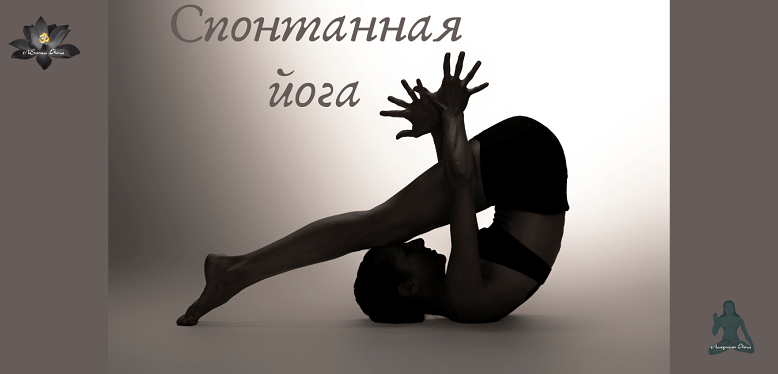
What is spontaneous yoga?
Spontaneous yoga is an unusual form of yoga. If you read yogic texts, what a person gains through the practice of yoga is not normal—it is abnormal. It transforms a normal person into an abnormal, superhuman being. However, our perception of yoga makes this unusual form of yoga seem ordinary; therefore, what we think of as yoga is the conventional understanding of it.
Ordinary yoga won’t take you very far; it will only help make your body healthier and calm your mind to a certain extent. It will also allow you to develop positive qualities—such as nobility, generosity, and honesty—on a mundane, worldly level. But spontaneous practice is the only practice capable of advancing you in spiritual self-realization. In this practice, the practitioner does not use their mind or intellect; they do not participate in the process. The yogi simply observes what is happening—what prana is doing in their body with their consciousness. Thus, in spontaneous practice, pranopasana arises—the process of worshiping prana.
Pranopasana—the process of self-discovery
Pranopasana is the process of deepening one's inner awareness through prana.
How does this work? We have a gross body, a subtle body, and a causal body. The body closest to the soul is the causal body, followed by the subtle body. And the body that is farthest away is the gross body.
It is impossible to attain direct spiritual experience from the perspective of the physical body. To do so, one must direct one’s attention inward. In other words, prana must be directed inward toward the subtle body—not toward the external world, but inward. And within the subtle body itself, one must go even deeper and enter the causal body; and from the causal body, go even deeper still and enter the Atman (the Spirit). If you direct prana inward—this is the process of self-realization, known as pranopasana.
For more information, see: Yoga Sazana
If you use prana in the external world, that is called worldly life. But we are so preoccupied with worldly life that we don’t even think about directing prana inward. If prana flows outward into the external world, you become a demonic person. If you direct prana inward, you become a divine person. Therefore, whether we want to become a demon or an angel depends on us and our desires. Those who understand this principle never stray toward demonism.
Through self-realization comes the realization of God
However, it is much easier to turn outward and be an extrovert than to turn inward. Thus, the Atman is imprisoned within these three bodies. But as you move inward—or enter samadhi—you become aware of your true “self,” your spirit. The point is for consciousness to detach from the three bodies, and this method of withdrawing prana from the outer bodies to the inner ones is called pranopasana.
The more prana is strengthened, the more it is focused and concentrated, the further a person can advance along the path of spontaneous yoga. By practicing pranopasana, you attain yoga (unity between the soul and God). But self-realization comes before the realization of God. However, to comprehend the spirit, you do not need to seek it somewhere outside yourself; you must find it within yourself, in your heart, for the abode of God is there, and you must seek Him there.




One comment
Sergey
Great article! Thanks to the author.